A Saturday afternoon at Vienna’s Freeman Store and Museum brings out families with kids running between exhibits, asking questions louder than they realize.

If your child’s elementary teacher has mentioned your child has trouble following directions in class, you might have chalked it up to distraction. But sometimes it’s not attention at all, it’s hearing.

Kids don’t always know how to describe what they’re missing, and parents don’t always catch it right away either. An audiologist can spot early signs that are easy to overlook at home, from mild hearing loss to fluid buildup after a cold.

Catching those issues early makes a real difference in speech development, learning and everyday communication. Families in Vienna have access to that kind of care close to home, without waiting until a problem becomes obvious.

How Hearing Supports Childhood Development

Children learn by listening to the people around them. They hear new words, notice how sounds differ and begin connecting spoken language with reading and writing. Hearing also helps them follow directions, join conversations and understand tone, which all support learning and social development.

Children in Northern Virginia often move between busy classrooms, youth sports leagues and seasonal community events.

These places can include several voices, whistles, music and constant movement at the same time. Being able to pick up speech in that noise helps children keep up with lessons, group activities and conversations with friends.

Understanding the Main Types of Pediatric Hearing Loss

Children can experience conductive, sensorineural or mixed hearing loss. Conductive hearing loss happens when sound has trouble moving through the outer or middle ear. Ear infections, trapped fluid, earwax or structural differences can all contribute to this type.

Sensorineural hearing loss affects the inner ear or the nerves carrying sound to the brain. A child can be born with it or develop it later. Mixed hearing loss means both parts are involved, the outer or middle ear and the inner ear, so treatment might need to tackle more than one thing at once.

Why Hearing Loss in One Ear Can Be Easy to Miss

A kid with hearing loss in just one ear can still turn around when you call their name and seem totally fine at home. The good ear picks up enough sound to cover for the other one, especially in a quiet room or a one-on-one conversation.

The cracks usually show up somewhere else, like when they can’t see the person talking or when there’s a bunch of noise happening at once. They might not be able to tell which direction a voice came from, miss words said on one side or lose the thread in a group conversation.

Because they can hear plenty of speech just fine, it’s easy to write off the struggle as distraction or just not paying attention. Testing each ear on its own can catch a difference that’s nearly impossible to notice just by watching them.

How Ear Infections and Illnesses Can Affect Hearing

Ear infections are a common reason children experience temporary hearing changes. Fluid behind the eardrum can block sound and make voices seem softer, distant or muffled.

Colds and allergies can cause similar problems by creating swelling or pressure around the middle ear. A child may continue having trouble hearing even after the pain or congestion begins to improve.

Repeated infections can also lead to several stretches of reduced hearing, which may affect classroom instructions, conversations and new vocabulary. Hearing may need to be checked when muffled sound continues after the illness has passed.

Signs a Child May Be Having Trouble Hearing

Hearing changes do not always look the same in every child. Some signs are easy to notice, while others may first appear as frustration, tiredness or trouble keeping up with conversation.

What matters most is noticing a change from what is normal for your child. You may see your child:

  • Ask people to repeat themselves often
  • Turn the television or tablet louder than usual
  • Miss their name when called from another room
  • Speak more loudly or pronounce certain words unclearly
  • Seem worn out after school or group activities

Why Finding Hearing Loss Early Can Make a Difference

Kids don’t always realize when they’re missing sound, especially if the change happens slowly. They just figure everyone hears the way they do, so they lean on lip reading or context clues without ever thinking to mention it.

Finding a hearing issue early gives families more time to understand what is happening and decide what support is needed. It can also prevent a child from spending months trying to fill in missing words during lessons, conversations or speech development.

Hearing should be checked again when concerns come up, even if a child passed an earlier screening. Hearing can change after birth, following illness or as a child grows.

What Happens During a Child’s Hearing Evaluation?

The testing methods used during a child’s hearing evaluation depend on age, development and how well the child can respond. The visit is adapted so the audiologist can gather useful information without expecting every child to complete the same tasks.

Babies and very young children may hear soft sounds while the audiologist watches for a head turn, eye movement or another response. Older children may wear headphones and raise a hand, press a button or complete a simple listening game when they hear a tone.

Specialized technology can also measure how the eardrum and inner ear respond without requiring a spoken answer. These results can help show whether fluid, earwax or another issue may be affecting how sound moves through the ear.

Safer Listening Habits for Screens and Loud Events

Headphones, tablets and loud events are now a regular part of childhood. The risk usually comes from how loud the sound is and how long a child listens without a break. A few household rules can make those activities safer without removing them altogether.

Helpful habits include:

  • Keep personal devices below 60 percent of their maximum volume
  • Limit headphone use to about one hour before taking a break
  • Choose headphones that reduce outside noise and fit properly
  • Use protective earmuffs during fireworks, concerts and sporting events
  • Move farther from speakers and other loud sound sources

Choosing Hearing Protection That Works for Your Child

For younger children, protective earmuffs are often the simplest place to start. They are easy to put on, harder to lose and available with soft padding and adjustable headbands made for smaller heads.

Older children may prefer foam earplugs, especially when earmuffs feel bulky. These need to be rolled, placed correctly and allowed to expand, so they may not work well for children who dislike pressure inside the ear.

At concerts, band practice or sporting events, filtered earplugs can lower the volume without making speech and music sound as muffled. They are often a good choice for children who want protection that feels less noticeable.

Children who spend a lot of time around loud sounds may benefit from custom earplugs. These are made from an impression of the ear and can be useful when standard sizes do not fit well.

Age, comfort and the activity all affect which option will work best. Let your child try different styles before the event so you can see what stays in place and feels comfortable.

Helping Children Take Care of Their Own Hearing

Kids are more likely to protect their hearing when they understand the reason behind it. Talk about situations they already recognize, like headphones that feel too loud or ears that ring after a concert.

Teach them to lower the volume, step away from loud sounds and ask for hearing protection when they need it. They should also know never to place cotton swabs, toys or other objects inside the ear canal.

Encourage your child to tell an adult when sound seems muffled, an ear hurts or ringing does not stop. Taking those comments seriously shows them that changes in hearing are worth mentioning rather than something they should ignore.

When a Child’s Hearing Needs Professional Attention

Some hearing concerns are temporary, especially during a cold or ear infection. Others continue after the illness has passed or begin affecting how a child responds, speaks or manages schoolwork.

Professional testing may be appropriate when a child repeatedly misses sounds, asks for frequent repetition or has trouble following spoken directions. It can also help after recurring ear infections, unexplained speech changes or a sudden difference in classroom performance.

An audiologist can determine what the child is hearing and whether the concern involves one or both ears. That information helps families understand what comes next instead of relying on guesses about the cause.

Supporting Healthy Hearing With Options

Hearing issues in kids often show up somewhere other than home first, like a classroom or a quiet moment at dinner when they don’t quite catch what you said.

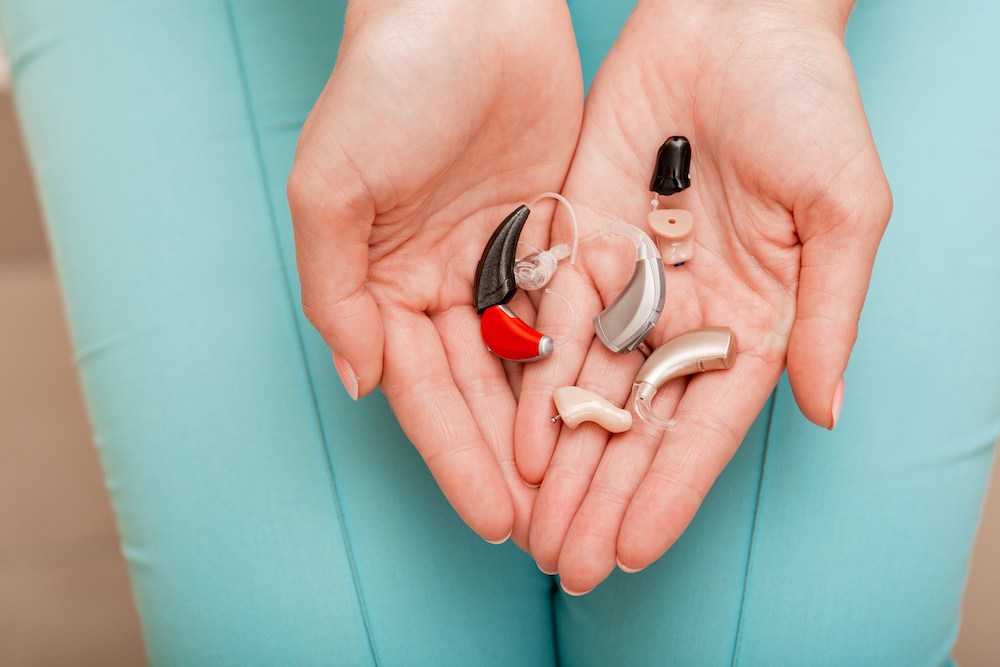
Our team at Vienna Hearing Center in Virginia can help you make sense of what you’re noticing and answer any questions you have. If you’re looking into hearing protection or hearing aids, give us a call at (703) 260-1250 to talk through your options.