The first time you speak with your new hearing aids in, there’s a good chance you’ll stop mid-sentence and think “Wait, is that really what I sound like?”

Your own voice sounds hollow, boomy or like you’re talking inside a tunnel. It’s disorienting because you’ve spent your entire life hearing yourself a certain way, and suddenly that’s changed.

Nobody warned you this would happen when you got fitted for hearing aids. You expected them to help you hear other people better, not make you sound like a stranger to yourself.

When your voice doesn’t sound right, it affects how you feel about wearing your hearing aids in ways that go beyond just being annoying. You become hyper-aware that you have something in your ears.

You might talk less during conversations, avoid making phone calls or feel self-conscious when you need to speak up in meetings. Some people end up wearing their hearing aids only in specific situations instead of all day like they’re supposed to, simply because hearing themselves talk feels too strange or distracting.

This voice issue is surprisingly common, and it’s one of the main reasons people struggle to adjust to new hearing aids or stop wearing them altogether during the first few weeks.

Understanding why it happens and knowing there are ways to fix it can make the difference between pushing through the adjustment period and giving up before you’ve really given your hearing aids a fair shot.

How Hearing Aids Change the Way You Hear Sound

Modern hearing aids do much more than just make the world louder. Instead of acting like a simple volume knob, they function as high-speed computers that sort through sound in real time. When a sound enters the device, the processor identifies it and decides how to handle it.

This change in how you receive sound also helps your brain relax. Because the hearing aids are doing the heavy lifting of sharpening the signal, your mind no longer has to work as hard to fill in the missing pieces of a conversation.

You might notice that you feel less drained after a long day of talking or that you can follow a story without leaning in or straining.

While it can take a short period for your brain to get used to hearing certain background sounds again, the goal is to make listening feel natural and automatic rather than a constant mental workout.

Reasons Your Voice Might Sound Different When Using Hearing Aids

You may notice your voice sounds louder or has an echo when you start using hearing aids. This is because the devices pick up your voice and send it through their microphones, changing how you hear yourself. Several factors can influence this change:

  • Hearing aids amplify all sounds, including your own speech
  • The fit and shape of the device can affect how vibrations travel through your ear
  • Your brain is learning to process sounds with the help of new technology

Understanding How Sound Travels to Your Ears

When someone speaks or a dog barks, those vibrations enter your ear canal and hit your eardrum, causing it to move back and forth. This movement is passed along to three tiny bones in your middle ear that work together to push that sound energy even deeper.

From there, the vibrations reach the inner ear, where they are converted into electrical pulses that your brain can finally understand as a specific noise or word.

When you begin wearing hearing aids, this natural path gets a helpful boost. Small microphones on the device catch the sound before it even enters your ear canal, allowing a tiny computer chip to sharpen and polish the signal.

Because the sound is being processed and then sent toward your eardrum, you might notice that things sound a bit crisper than you are used to. Even the sound of your own voice can feel a little different at first since you are hearing it through the device rather than just through the vibrations in your jawbone.

Getting used to this new way of receiving sound is a normal part of the process as your brain relearns how to listen with a clearer signal.

Why Does Occlusion Happen with Hearing Devices

Occlusion is the technical term for that plugged-up feeling you get when your ear canal is physically closed off. You have likely experienced this before if you have ever stuck your fingers in your ears or worn foam earplugs.

When the ear is blocked by a hearing aid or an earmold, it changes the way you hear internal sounds. Your own voice might sound like it is echoing inside a barrel, or it may have a booming, hollow quality. Even everyday actions like chewing a crunchy snack or swallowing can suddenly seem much louder and more intense than usual.

This happens because of the way sound vibrations travel through your body. When you speak, the vibrations from your vocal cords move through the bones of your jaw and skull, eventually reaching the ear canal.

In an open ear, these low-frequency vibrations simply escape out into the air. However, when a hearing device blocks the canal, those vibrations get trapped. They bounce off the device and back toward your eardrum, which makes your own voice sound much more powerful to you than it does to anyone else.

The good news is that most people find this sensation fades as the brain adjusts to the new way of hearing. If the booming sound remains distracting, there are physical ways to fix it.

Professionals can often add a small vent, which is essentially a tiny tunnel through the hearing aid, to let those trapped vibrations escape. This keeps the ear open enough to prevent the echo while still providing the boost you need to hear the world around you clearly.

How Vents Work in Hearing Aids

It is a small channel drilled through the custom earmold or the shell of the hearing aid itself. By creating this physical opening, the device allows the low-frequency sound pressure from your own voice to leak out of the ear canal instead of staying trapped and bouncing back against your eardrum.

Here is why it works so well:

  • Pressure release: It acts like an exhaust pipe for sound. Without it, the vibrations from your own jaw and vocal cords are amplified by the closed space, causing that “talking in a barrel” sound.
  • Balance: The vent is precisely sized so it is large enough to let the annoying low-frequency echoes out, but small enough that it doesn’t let the important high-pitched sounds (like speech) escape before they reach your eardrum.
  • Natural sound: It also allows some natural air and sound to enter the ear directly, which can make the overall listening experience feel less “artificial.”

Comparing Closed Fit and Open Fit Hearing Aid Designs

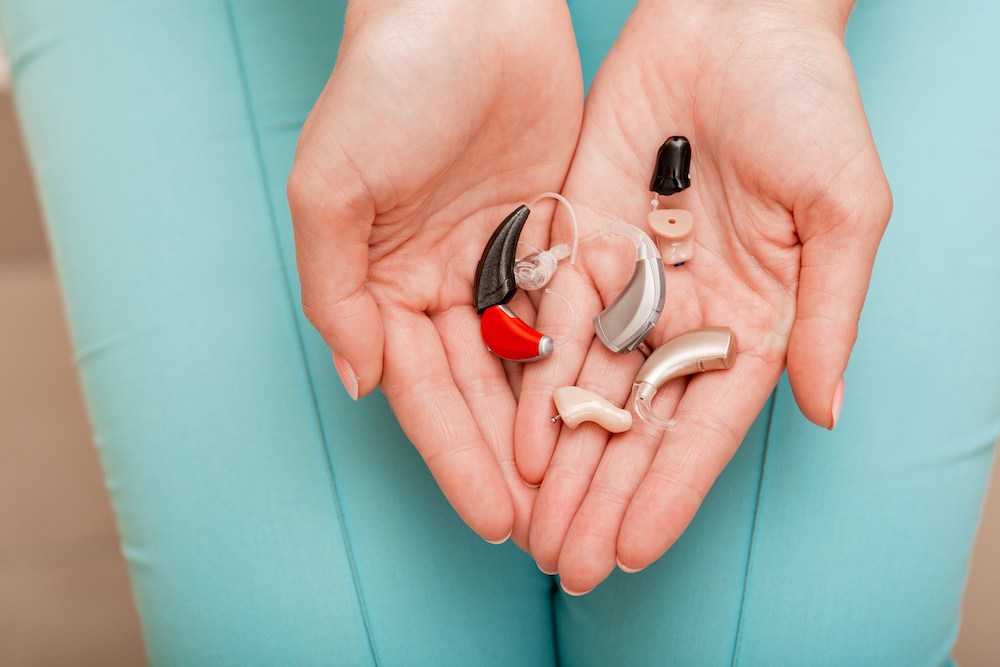
There are two common hearing aid styles: closed fit and open fit. Closed fit hearing aids use a dome or mold that seals most of the ear canal, while open fit models have small vents or openings that let more air and sound pass through. Open fit hearing aids are popular because they often reduce the plugged-up feeling in your ear.

Many people find open fit designs more comfortable and say their voice sounds more natural. Closed fit designs may be better for those with more severe hearing loss since they keep amplified sounds from leaking out.

Each style changes how you hear your own voice, so discussing your needs with an audiologist can help you find the best option.

Tips for Getting Comfortable with the Sound of Your Voice

When you first start wearing hearing aids, one of the most surprising changes is how your own voice sounds. It might seem louder, sharper or even slightly mechanical compared to what you are used to. This happens because you are now hearing your voice through a microphone and processor, rather than just through the internal vibrations of your jaw and skull. It is important to remember that this is a sign the devices are working, but it does take a bit of time for your brain to accept this new version of your voice as “normal.”

You can speed up this transition and help your mind adapt by using a few simple daily habits:

  • Read out loud to yourself: Spend five to ten minutes each day reading a book or newspaper aloud. This gives your brain a chance to match the physical sensation of speaking with the new sound coming through your hearing aids in a low-pressure environment.
  • Narrate your tasks: Even something as simple as saying your grocery list or daily chores out loud helps build familiarity. The more your brain hears your voice in different contexts, the faster it will file that sound away as a standard background noise.
  • Record and play back: Use your phone to record yourself talking for a minute and then listen to it. Hearing your voice from an “outside” perspective can help you realize that you still sound like yourself to everyone else, which can lower any self-consciousness you might feel.
  • Commit to consistent wear: The best way to adjust is to wear your devices all day, every day. If you only wear them occasionally, your brain has to “restart” the adjustment process every time you put them in. Consistent use helps the new sound become your new baseline.

Getting Used to New Sounds and New Experiences

Adjusting to hearing your own voice in a new way takes time, and it is normal to feel uneasy at first. Those new sounds can make you more aware of your hearing aids and even affect how much you talk or participate in conversations.

Recognizing that this reaction is common can help you be patient with yourself and stay consistent with wearing your devices, which is the best way to get comfortable and fully benefit from them.

If hearing your own voice continues to feel strange or distracting, our team can help guide you through the adjustment process. You can contact Vienna Hearing Center in Virginia at (703) 260-1250 to have your devices checked, discuss strategies for adapting and ensure your hearing aids are optimized for both listening and speaking.

Working with us can make the transition smoother and help you feel confident using your hearing aids every day.